
Understanding the Hidden Triggers Behind Smartphone Purchase Decisions
By Marketing Research Team
Smartphones are no longer just communication devices—they are lifestyle companions, productivity tools, and status symbols. With hundreds of models, brands, and offers competing for attention, the question marketers must ask is simple:
What finally makes a consumer say “Yes” to a smartphone purchase?
Our research project, “What Seals the Deal? An Empirical Study of Point-of-Sale Drivers in Smartphone Purchase Decisions,” explores the critical moment when consumer intention transforms into an actual purchase decision. Specifically, the study examines how point-of-sale triggers influence smartphone purchases in both online and offline environments.
1. The Modern Smartphone Buying Journey
Today’s consumer does not follow a simple, linear buying path. Instead, the smartphone purchase journey has evolved into a hybrid and dynamic process, where buyers move back and forth between digital platforms and physical stores.
Typically, the consumer journey follows five stages:
1. Need Recognition
A consumer realizes the need for a new phone. This may be triggered by:
- Battery issues
- Slow performance
- New technology launches
- Social influence or status appeal
Example: A user notices their phone battery drains quickly and begins considering an upgrade.
2. Information Search
Consumers actively gather information through multiple channels such as:
- Online reviews
- YouTube tech videos
- Social media influencers
- Brand websites
- Recommendations from friends or family
3. Evaluation of Alternatives
At this stage, consumers compare different smartphones based on:
- Price
- Brand reputation
- Camera quality
- Performance and specifications
- Battery life
- Design and aesthetics
4. Purchase Decision
Even after selecting a product, the final decision can still change due to point-of-sale factors such as:
- Discounts
- EMI offers
- Salesperson recommendations
- Stock availability
5. Post-Purchase Behaviour
Consumers evaluate whether their purchase met expectations. Satisfaction leads to repeat purchases and positive word-of-mouth.

2. Why Point-of-Sale Triggers Matter
Brands spend heavily on advertising, influencer marketing, and product launches. However, the real conversion happens at the point of sale.
Point-of-sale (POS) triggers are the situational factors that influence the final buying decision, including:
- Price discounts
- EMI financing
- Exchange offers
- Salesperson influence
- Product availability
- Flash sales and urgency
These triggers can transform a hesitant consumer into an immediate buyer.
3. Online vs Offline: Two Different Decision Environments
One of the central focuses of this research is understanding how online and offline purchase environments influence consumer behaviour differently.
Offline Purchase Drivers
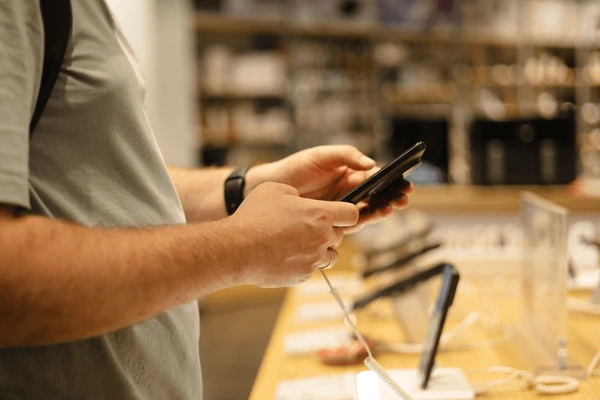
Physical retail stores offer several advantages that digital platforms cannot fully replicate:
1. Physical Product Experience
Consumers can:
- Touch and feel the device
- Test camera performance
- Evaluate design and build quality
For many buyers, this tactile experience builds confidence before making a high-value purchase.
2. Salesperson Assistance
Retail sales executives play a significant role in reducing consumer uncertainty by:
- Explaining technical specifications
- Comparing models
- Addressing customer concerns
3. Immediate Availability
Offline stores allow consumers to take the product home immediately, eliminating delivery waiting times.
4. Trust and After-Sales Support
Consumers often perceive physical stores as more trustworthy because they can return to the store if issues arise.
Online Purchase Drivers
Online platforms attract consumers for different reasons.
1. Price Advantages
Online marketplaces often provide:
- Flash sales
- Festival discounts
- Bank cashback offers
- No-cost EMI options
These price incentives can strongly influence purchase decisions.
2. Convenience
Consumers can:
- Compare multiple models
- Read reviews
- Purchase anytime
All without visiting a store.
3. Reviews and Social Proof
Customer ratings and testimonials act as digital word-of-mouth, helping consumers reduce uncertainty.
4. Key Consumer Insights from the Study
The research collected data through surveys and interviews with smartphone buyers and retail professionals. Several interesting patterns emerged.
1. Hybrid Shopping Behaviour is Common
Many consumers research online but purchase offline.
They use digital platforms for:
- Feature comparisons
- Price checks
- Review analysis
But prefer physical stores for final purchase confidence.
2. Offers Strongly Influence Final Decisions
Consumers are highly responsive to financial incentives such as:
- Exchange offers
- Card discounts
- EMI financing
- Festival sales
Often, the better offer determines where the purchase happens.
3. Customer Ratings Are More Influential Than Influencers
While influencers attract attention, authentic customer reviews and ratings build stronger trust.
4. Trust Still Favors Offline Stores
For expensive purchases like smartphones, some consumers prefer offline stores due to concerns about:
- Online fraud
- Delivery damage
- Warranty or return issues
5. The Psychology Behind Smartphone Purchases
The research also connects consumer behaviour with the Theory of Planned Behaviour, which explains how intention leads to actual action.
Three factors influence purchase intention:
Attitude
Consumers evaluate whether the product benefits them.
Example:
“iPhone has better camera quality.”
Subjective Norms
Social influence affects decisions.
Example:
“My friends use the same phone.”
Perceived Behavioural Control
Consumers assess whether they can afford the purchase.
Example:
“I can buy it with EMI.”
When these three factors align, the consumer is highly likely to make the purchase.
6. What Actually “Seals the Deal”?
Based on interviews with both consumers and retail executives, several triggers frequently finalize the purchase:
Financial Incentives
- Direct discounts
- No-cost EMI
- Cashback offers
Exchange Programs
Higher exchange value for old devices strongly encourages purchase.
Urgency Creation
Limited-time deals create fear of missing out (FOMO) and push consumers to act quickly.
Product Experience
For many buyers, physically experiencing the device—holding it, testing the camera, exploring the interface—is the decisive moment.
7. What This Means for Marketers
The findings highlight important implications for smartphone brands and retailers.
1. Adopt an Omnichannel Strategy
Consumers use both online and offline channels. Brands must integrate these touchpoints seamlessly.
2. Optimize Point-of-Sale Marketing
Conversion happens at checkout. Retailers should focus on:
- Clear discount communication
- Attractive financing options
- Effective product demonstrations
3. Build Trust
Trust remains a critical factor in high-value purchases. Transparent policies, strong customer reviews, and reliable service can improve conversion rates.
4. Leverage Promotional Timing
Festival sales and flash deals significantly influence purchase decisions, especially among younger consumers.
8. The Future of Smartphone Buying Behaviour
The smartphone purchase journey will continue evolving as digital platforms grow and consumer expectations change.
However, one insight remains clear:
Consumers are not loyal to channels — they are loyal to value.
Whether the purchase happens online or offline ultimately depends on which channel delivers the best combination of price, trust, experience, and convenience at the moment of decision.
And in the end, that critical moment is exactly what “seals the deal.”
Keywords:
Consumer Behaviour, Smartphone Market, Point-of-Sale Marketing, Online vs Offline Retail, Purchase Decision, Marketing Research